
Insights
A Brand Activation Fails the Moment You Plan It Like a Corporate Event
A Brand Activation Fails the Moment You Plan It Like a Corporate Event
Most brand activations get planned like a sales conference: one room, one audience, one message. Here's why that breaks the moment it goes public.
Most brand activations get planned like a sales conference: one room, one audience, one message. Here's why that breaks the moment it goes public.
Ask most marketing teams to plan a "brand activation" and watch what happens. Someone books a space, someone writes a script, someone puts a logo on a backdrop. It's the corporate event playbook with better lighting. And it usually fails for the exact reason it feels safe: a corporate event only has to work for one audience. A brand activation almost never does. That's the whole brand activation vs corporate event problem in one sentence.
That's the gap we keep seeing in Jakarta briefs, from clients and from other agencies, over and over.
The Playbook Everyone Reuses, Even When It's Wrong
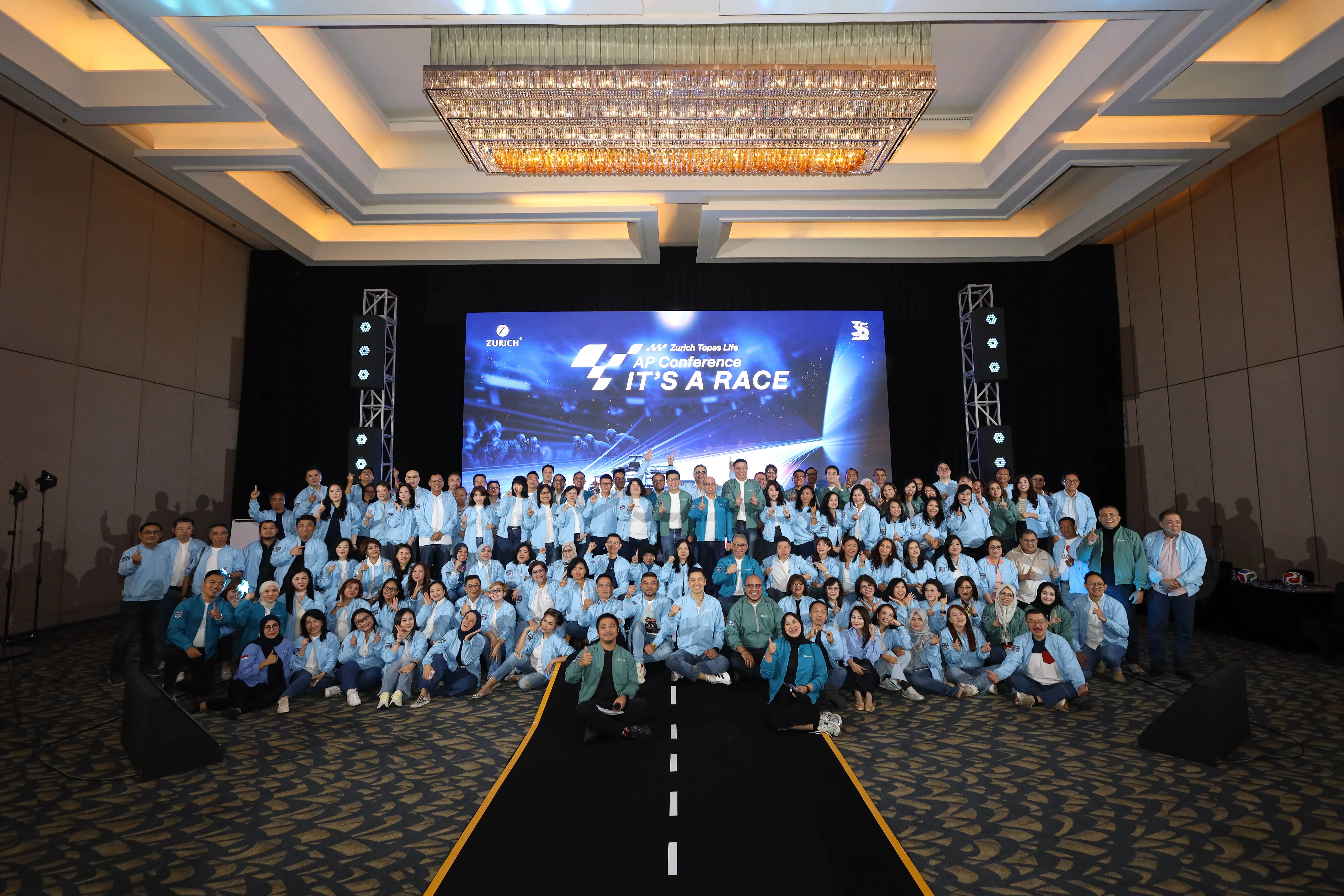
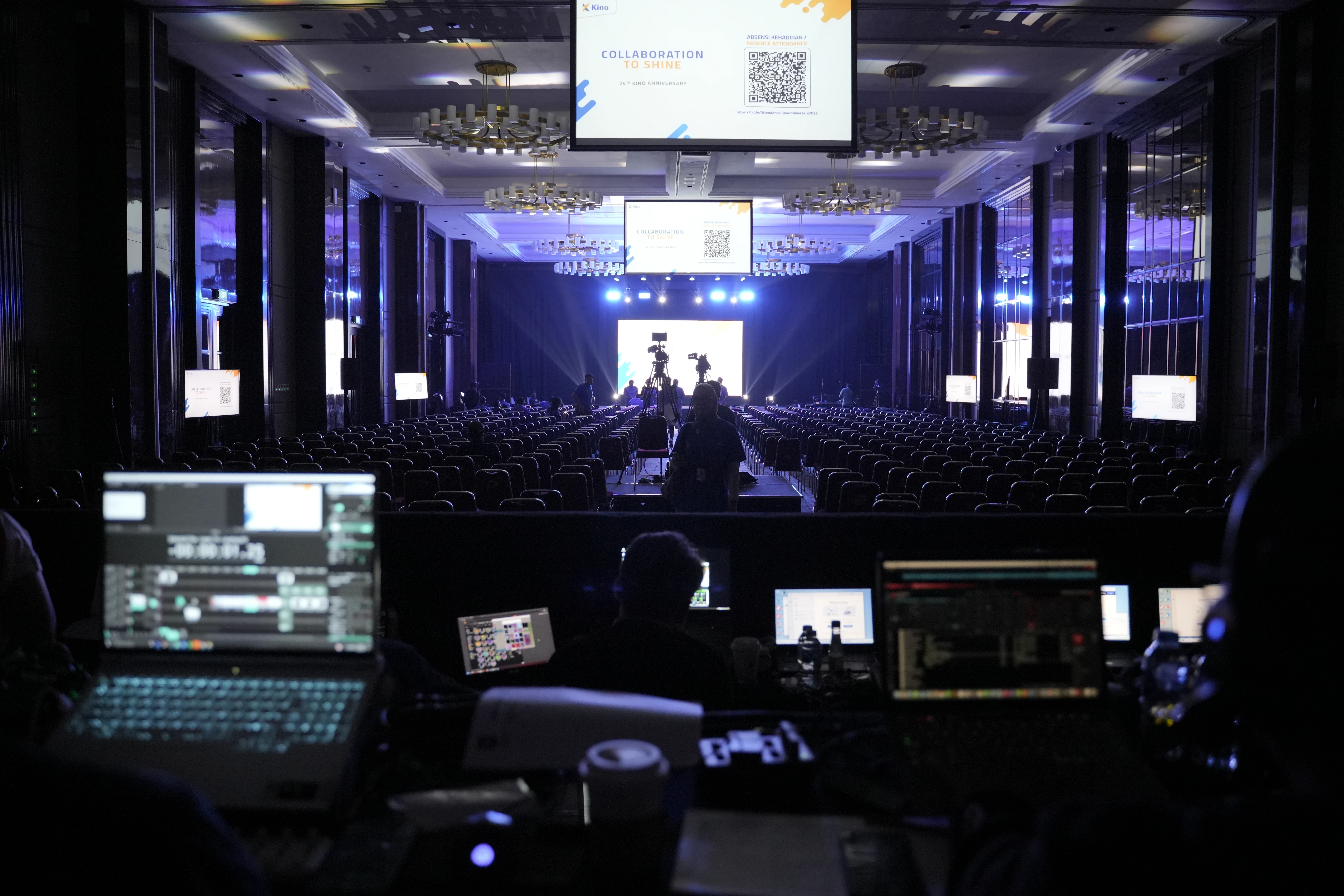
A sales conference, a kickoff, an internal awards night: these are corporate events. Everyone in the room chose to be there, already knows why they're there, and already has some stake in the message. The job is to sharpen what they already believe.
A brand activation doesn't get that audience. It gets whoever happens to walk past. Strangers with zero context, zero obligation, and a phone in their pocket that can end their attention in one swipe. Plan that with a corporate event checklist and you'll build something that looks fine in the recap deck and does nothing in the room.
What a Corporate Event Is Actually Optimizing For
We've written before about why the objective has to come before the venue, and that logic holds hardest for corporate events specifically: one audience, one objective, one measurable shift you're trying to produce in the people who are already sitting in the seats.
That's a genuinely easier design problem, even when the stakes are high. You're not fighting for attention. You already have it. The work is depth, not reach: how sharp can the message land, not how many strangers can it catch.
What a Brand Activation Has to Solve Instead
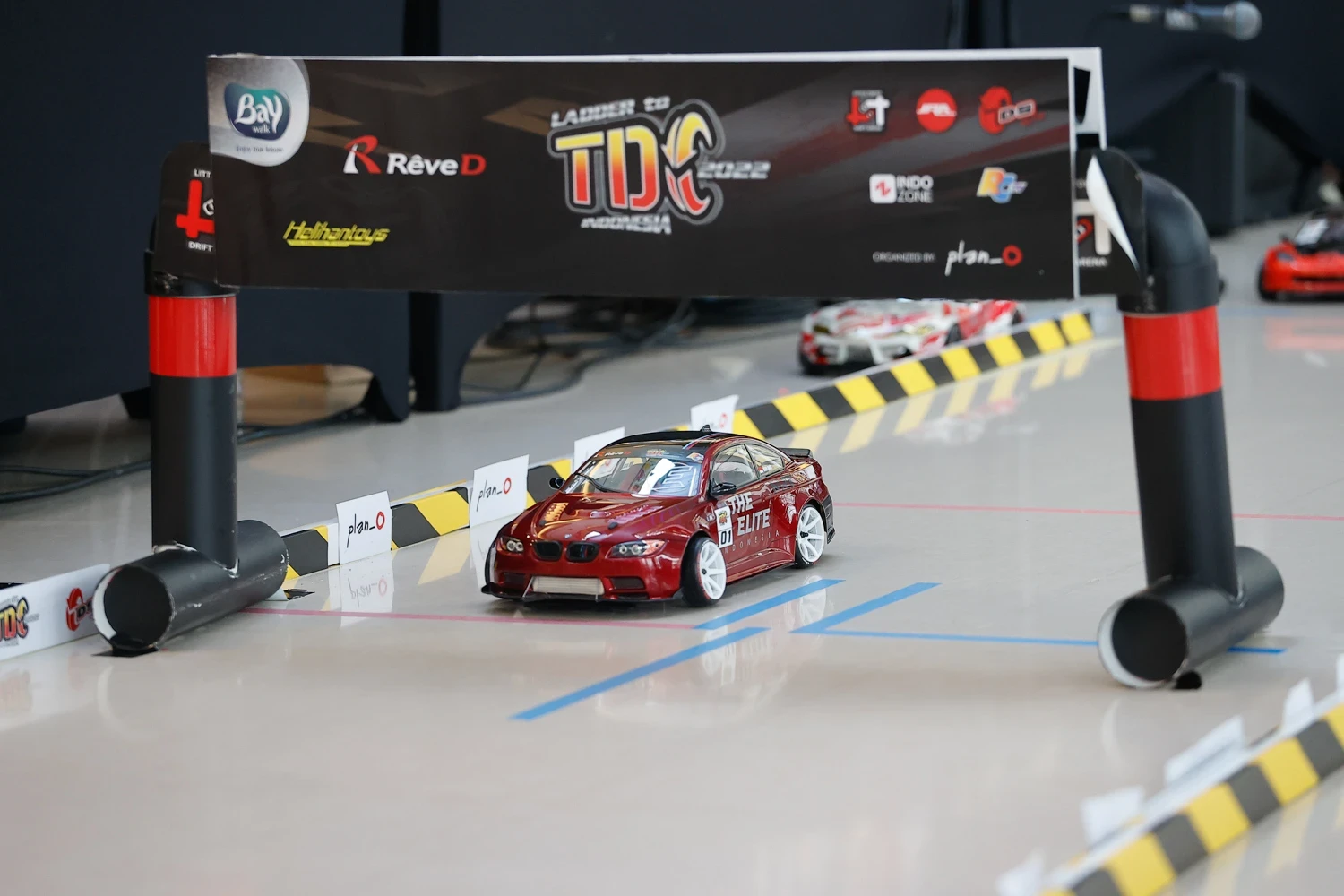
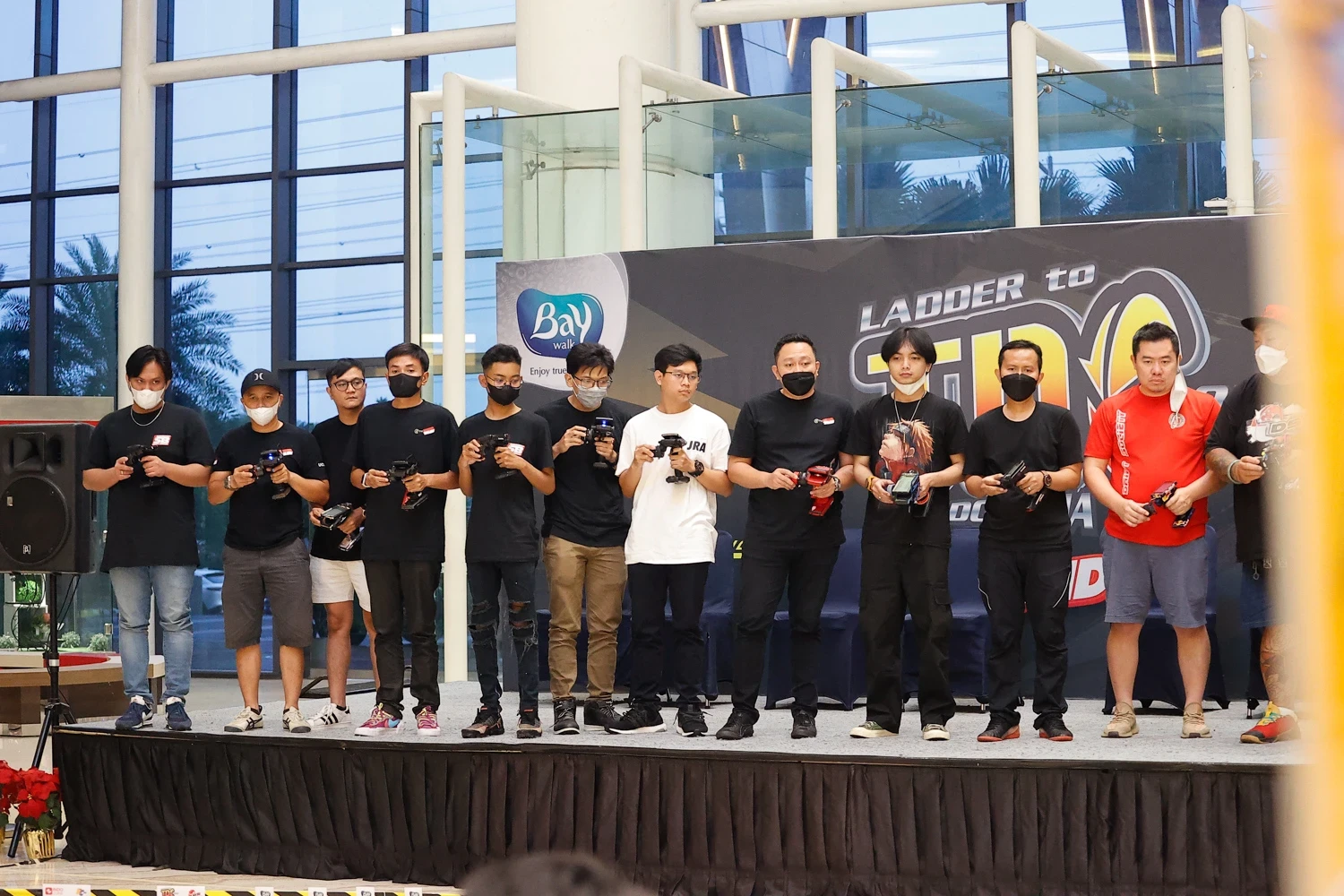
RC TV came to us with a brief that had no single audience to design for. TDC World XI is an international RC drift car championship, and PlanoIDE ran the 2023 edition as a mall activation at FX Sudirman in Jakarta, Indonesia, over four days. The official brief was blunt about it: deliver a tournament that serves competing teams, sponsors, and passing mall visitors, without compromising any of the three.
Three audiences, one floor, at the same time. Competing teams needed a track built to international standard, because a drift championship with a sloppy track isn't a championship. Sponsors needed a branded environment that made their names visible to people who weren't there for the sponsors. And mall visitors, the people with the least reason to stop, needed something that read as entertainment in about two seconds, or they'd keep walking to the food court.
None of those three groups showed up for the same reason. The event had to be three different experiences layered into one floor plan.
Designing for the Audience That Didn't Come for You
This is what multi-audience event design actually means in practice, and it's the part most teams get backwards: the hardest audience to design for in a brand activation is never the one who already cares. It's the one who didn't. Competing teams and sponsors are basically a captive audience once they're in the building, not far off from a corporate event crowd. Mall visitors are not. They owe the brand nothing.
That's the actual skill PlanoIDE is selling in a brief like this: build the thing so a stranger with no context understands what's happening in a few seconds, and has a reason to stay for more. For TDC World XI, that meant a competition environment branded and staged clearly enough to read at a glance, plus live hosted judging and awarding segments that gave a passing visitor something happening in real time to stop for, not just cars sitting on a track.
Skip that design work and a brand activation quietly turns into a corporate event that happens to be in a mall. Technically public. Functionally closed.
Where This Kind of Show Either Holds or Falls Apart
A four day live tournament with real judging, real trophies, and real sponsor visibility doesn't survive on a good concept alone. Command over execution, not just a checklist, is what holds a show like this together, and that matters even more here than in a single-room corporate event, because there's no fixed seating and no captive schedule to fall back on.
Heats have to run on pace or the passing crowd loses interest before the next one starts. Judging and awarding segments have to be hosted live, in a way that pulls a crowd that didn't plan to stop, without stalling out the competitors who are there for the result, not the show. RC TV's brief closed with a tournament delivered in full: a track built for the event, a competition environment branded for sponsors, live hosted judging and awarding segments, and a bodyshell showcase programme running alongside it. That's four moving parts on one floor, for four straight days, none of them allowed to bottleneck the others.

How to Tell Which One Your Next Brief Actually Needs
Ask one question before anything else gets planned: who is this for, and did they choose to be there? If the honest answer is "our people, and yes," you're planning a corporate event. Objective first, then the room, then the message.
If the honest answer includes anyone who might just be walking by (a customer, a mall crowd, a festival floor), you're planning a brand activation instead. The corporate event playbook will actively work against you here. You're not managing a room anymore, you're competing for attention against a food court, a phone screen, and every other reason a stranger had to be somewhere else that day.
Most briefs don't say which one they are. That's usually the first thing worth figuring out, before a single vendor gets a call.
Want a second opinion from an experiential marketing agency in Jakarta that's actually run both formats? Get in touch with our team.
Stay Inspired
Get fresh design insights, articles, and resources delivered straight to your inbox.
Latest Blogs




Contact us
Get in touch and let’s turn concepts into stunning event
Transforming ideas into reality
Insights
A Brand Activation Fails the Moment You Plan It Like a Corporate Event
A Brand Activation Fails the Moment You Plan It Like a Corporate Event
Most brand activations get planned like a sales conference: one room, one audience, one message. Here's why that breaks the moment it goes public.
Most brand activations get planned like a sales conference: one room, one audience, one message. Here's why that breaks the moment it goes public.
Ask most marketing teams to plan a "brand activation" and watch what happens. Someone books a space, someone writes a script, someone puts a logo on a backdrop. It's the corporate event playbook with better lighting. And it usually fails for the exact reason it feels safe: a corporate event only has to work for one audience. A brand activation almost never does. That's the whole brand activation vs corporate event problem in one sentence.
That's the gap we keep seeing in Jakarta briefs, from clients and from other agencies, over and over.
The Playbook Everyone Reuses, Even When It's Wrong
A sales conference, a kickoff, an internal awards night: these are corporate events. Everyone in the room chose to be there, already knows why they're there, and already has some stake in the message. The job is to sharpen what they already believe.
A brand activation doesn't get that audience. It gets whoever happens to walk past. Strangers with zero context, zero obligation, and a phone in their pocket that can end their attention in one swipe. Plan that with a corporate event checklist and you'll build something that looks fine in the recap deck and does nothing in the room.
What a Corporate Event Is Actually Optimizing For
We've written before about why the objective has to come before the venue, and that logic holds hardest for corporate events specifically: one audience, one objective, one measurable shift you're trying to produce in the people who are already sitting in the seats.
That's a genuinely easier design problem, even when the stakes are high. You're not fighting for attention. You already have it. The work is depth, not reach: how sharp can the message land, not how many strangers can it catch.
What a Brand Activation Has to Solve Instead
RC TV came to us with a brief that had no single audience to design for. TDC World XI is an international RC drift car championship, and PlanoIDE ran the 2023 edition as a mall activation at FX Sudirman in Jakarta, Indonesia, over four days. The official brief was blunt about it: deliver a tournament that serves competing teams, sponsors, and passing mall visitors, without compromising any of the three.
Three audiences, one floor, at the same time. Competing teams needed a track built to international standard, because a drift championship with a sloppy track isn't a championship. Sponsors needed a branded environment that made their names visible to people who weren't there for the sponsors. And mall visitors, the people with the least reason to stop, needed something that read as entertainment in about two seconds, or they'd keep walking to the food court.
None of those three groups showed up for the same reason. The event had to be three different experiences layered into one floor plan.
Designing for the Audience That Didn't Come for You
This is what multi-audience event design actually means in practice, and it's the part most teams get backwards: the hardest audience to design for in a brand activation is never the one who already cares. It's the one who didn't. Competing teams and sponsors are basically a captive audience once they're in the building, not far off from a corporate event crowd. Mall visitors are not. They owe the brand nothing.
That's the actual skill PlanoIDE is selling in a brief like this: build the thing so a stranger with no context understands what's happening in a few seconds, and has a reason to stay for more. For TDC World XI, that meant a competition environment branded and staged clearly enough to read at a glance, plus live hosted judging and awarding segments that gave a passing visitor something happening in real time to stop for, not just cars sitting on a track.
Skip that design work and a brand activation quietly turns into a corporate event that happens to be in a mall. Technically public. Functionally closed.
Where This Kind of Show Either Holds or Falls Apart
A four day live tournament with real judging, real trophies, and real sponsor visibility doesn't survive on a good concept alone. Command over execution, not just a checklist, is what holds a show like this together, and that matters even more here than in a single-room corporate event, because there's no fixed seating and no captive schedule to fall back on.
Heats have to run on pace or the passing crowd loses interest before the next one starts. Judging and awarding segments have to be hosted live, in a way that pulls a crowd that didn't plan to stop, without stalling out the competitors who are there for the result, not the show. RC TV's brief closed with a tournament delivered in full: a track built for the event, a competition environment branded for sponsors, live hosted judging and awarding segments, and a bodyshell showcase programme running alongside it. That's four moving parts on one floor, for four straight days, none of them allowed to bottleneck the others.
How to Tell Which One Your Next Brief Actually Needs
Ask one question before anything else gets planned: who is this for, and did they choose to be there? If the honest answer is "our people, and yes," you're planning a corporate event. Objective first, then the room, then the message.
If the honest answer includes anyone who might just be walking by (a customer, a mall crowd, a festival floor), you're planning a brand activation instead. The corporate event playbook will actively work against you here. You're not managing a room anymore, you're competing for attention against a food court, a phone screen, and every other reason a stranger had to be somewhere else that day.
Most briefs don't say which one they are. That's usually the first thing worth figuring out, before a single vendor gets a call.
Want a second opinion from an experiential marketing agency in Jakarta that's actually run both formats? Get in touch with our team.
Stay Inspired
Get fresh design insights, articles, and resources delivered straight to your inbox.
Latest Blogs

©PlanoIDE 2026 | All Rights Reserved
Insights
A Brand Activation Fails the Moment You Plan It Like a Corporate Event
A Brand Activation Fails the Moment You Plan It Like a Corporate Event
Most brand activations get planned like a sales conference: one room, one audience, one message. Here's why that breaks the moment it goes public.
Most brand activations get planned like a sales conference: one room, one audience, one message. Here's why that breaks the moment it goes public.
Ask most marketing teams to plan a "brand activation" and watch what happens. Someone books a space, someone writes a script, someone puts a logo on a backdrop. It's the corporate event playbook with better lighting. And it usually fails for the exact reason it feels safe: a corporate event only has to work for one audience. A brand activation almost never does. That's the whole brand activation vs corporate event problem in one sentence.
That's the gap we keep seeing in Jakarta briefs, from clients and from other agencies, over and over.
The Playbook Everyone Reuses, Even When It's Wrong
A sales conference, a kickoff, an internal awards night: these are corporate events. Everyone in the room chose to be there, already knows why they're there, and already has some stake in the message. The job is to sharpen what they already believe.
A brand activation doesn't get that audience. It gets whoever happens to walk past. Strangers with zero context, zero obligation, and a phone in their pocket that can end their attention in one swipe. Plan that with a corporate event checklist and you'll build something that looks fine in the recap deck and does nothing in the room.
What a Corporate Event Is Actually Optimizing For
We've written before about why the objective has to come before the venue, and that logic holds hardest for corporate events specifically: one audience, one objective, one measurable shift you're trying to produce in the people who are already sitting in the seats.
That's a genuinely easier design problem, even when the stakes are high. You're not fighting for attention. You already have it. The work is depth, not reach: how sharp can the message land, not how many strangers can it catch.
What a Brand Activation Has to Solve Instead
RC TV came to us with a brief that had no single audience to design for. TDC World XI is an international RC drift car championship, and PlanoIDE ran the 2023 edition as a mall activation at FX Sudirman in Jakarta, Indonesia, over four days. The official brief was blunt about it: deliver a tournament that serves competing teams, sponsors, and passing mall visitors, without compromising any of the three.
Three audiences, one floor, at the same time. Competing teams needed a track built to international standard, because a drift championship with a sloppy track isn't a championship. Sponsors needed a branded environment that made their names visible to people who weren't there for the sponsors. And mall visitors, the people with the least reason to stop, needed something that read as entertainment in about two seconds, or they'd keep walking to the food court.
None of those three groups showed up for the same reason. The event had to be three different experiences layered into one floor plan.
Designing for the Audience That Didn't Come for You
This is what multi-audience event design actually means in practice, and it's the part most teams get backwards: the hardest audience to design for in a brand activation is never the one who already cares. It's the one who didn't. Competing teams and sponsors are basically a captive audience once they're in the building, not far off from a corporate event crowd. Mall visitors are not. They owe the brand nothing.
That's the actual skill PlanoIDE is selling in a brief like this: build the thing so a stranger with no context understands what's happening in a few seconds, and has a reason to stay for more. For TDC World XI, that meant a competition environment branded and staged clearly enough to read at a glance, plus live hosted judging and awarding segments that gave a passing visitor something happening in real time to stop for, not just cars sitting on a track.
Skip that design work and a brand activation quietly turns into a corporate event that happens to be in a mall. Technically public. Functionally closed.
Where This Kind of Show Either Holds or Falls Apart
A four day live tournament with real judging, real trophies, and real sponsor visibility doesn't survive on a good concept alone. Command over execution, not just a checklist, is what holds a show like this together, and that matters even more here than in a single-room corporate event, because there's no fixed seating and no captive schedule to fall back on.
Heats have to run on pace or the passing crowd loses interest before the next one starts. Judging and awarding segments have to be hosted live, in a way that pulls a crowd that didn't plan to stop, without stalling out the competitors who are there for the result, not the show. RC TV's brief closed with a tournament delivered in full: a track built for the event, a competition environment branded for sponsors, live hosted judging and awarding segments, and a bodyshell showcase programme running alongside it. That's four moving parts on one floor, for four straight days, none of them allowed to bottleneck the others.
How to Tell Which One Your Next Brief Actually Needs
Ask one question before anything else gets planned: who is this for, and did they choose to be there? If the honest answer is "our people, and yes," you're planning a corporate event. Objective first, then the room, then the message.
If the honest answer includes anyone who might just be walking by (a customer, a mall crowd, a festival floor), you're planning a brand activation instead. The corporate event playbook will actively work against you here. You're not managing a room anymore, you're competing for attention against a food court, a phone screen, and every other reason a stranger had to be somewhere else that day.
Most briefs don't say which one they are. That's usually the first thing worth figuring out, before a single vendor gets a call.
Want a second opinion from an experiential marketing agency in Jakarta that's actually run both formats? Get in touch with our team.
Stay Inspired
Get fresh design insights, articles, and resources delivered straight to your inbox.
Latest Blogs
Get in touch and let’s turn concepts into stunning event
Transforming ideas into reality
info@plano-ide.com